November marks the beginning of the seasonal cold across Santa Clara County. From the exposed lowlands of south San Jose to the foothills of Los Gatos and Morgan Hill, local landscapes face a distinct winter test. Clear, crisp nights bring sharp radiation freezes and cold-air drainage that stress subtropical favorites and tender container plants.
The Seasonal Shift
While deciduous trees drop their leaves and enter dormancy quietly, tender exotics hold heavy moisture in their stems and leaves. When temperatures plunge toward freezing, that cellular water can crystallize overnight, causing burnt foliage and collapsed stems. With winter management, a little proactive insulation goes a long way toward keeping these plants healthy.
Strategic Winter Defense
Protecting sensitive landscape investments requires a practical, microclimate-aware approach rather than complex setups. By prioritizing deep pre-freeze watering, setting up breathable thermal barriers before sunset, and monitoring the specific cold pockets across your property, you give exotic specimens the targeted protection they need to stay resilient until the spring thaw.
Overwintering Protocols for South Bay Landscapes
November through January is the primary danger window for sensitive species like Bougainvillea, tender citrus, and succulents. A few fundamental protective measures will shield them through cold morning snaps:
- Hydrate Root Zones Early: Wet soil retains ground warmth significantly better than bone-dry earth. Soak root zones 24 to 48 hours before an anticipated freeze so trapped moisture radiates upward through the canopy overnight. Track local frost warnings via the UC Master Gardeners of Santa Clara County to stay ahead of sudden inversions.
- Apply Protective Mulch: Spread a 3- to 4-inch layer of organic bark or compost over the drip line, keeping it pulled 6 inches back from main stems to avoid collar rot. If introducing new specimens late in the season, review Central Wholesale Nursery’s New Plant Care Guide to manage root ball hydration and the critical 48-hour transition period.
- Frame Breathable Frost Blankets: Drape commercial frost cloth, burlap, or canvas over plants before sunset, staking the edges firmly to the dirt. Avoid bare plastic sheeting, which conducts freezing temperatures directly onto leaf surfaces. Use stakes to keep fabric floating slightly above tender tips.
- Shelter Potted Specimens: Container root systems lack the ground’s natural insulation. Cluster pots tightly against south- or west-facing exterior walls to absorb radiating thermal mass, elevate them off freezing concrete, or shift delicate varieties beneath covered patios.
Spring Pruning Patience
When freezing winds leave foliage blackened or limp, resist the urge to prune immediately. Dead outer leaves serve as natural insulation that shields interior buds from subsequent freezes. Hold off on shaping damaged branches until late February or early March, once updates from the National Weather Service San Francisco Bay Area / Monterey confirm stable seasonal warming.
Frequently Asked Questions (FAQ)
At what temperature does Bougainvillea take frost damage?
Bougainvillea suffers foliage burn and branch dieback at 30°F to 32°F. Cut back on water in late fall, stop all fertilizer, and wrap the lower trunk and root crown with breathable burlap before hard freezes hit. Leave damaged canes alone until fresh growth sprouts in spring.
How do you overwinter Plumeria in the Bay Area?
Plumeria (Frangipani) requires complete dry dormancy once nighttime ambient temperatures drop consistently below 40°F. Stop watering entirely as autumn closes. Once leaves yellow and drop, store dormant pots inside an unheated garage, shed, or dry covered porch where conditions remain above 35°F.
When should citrus trees be covered in winter?
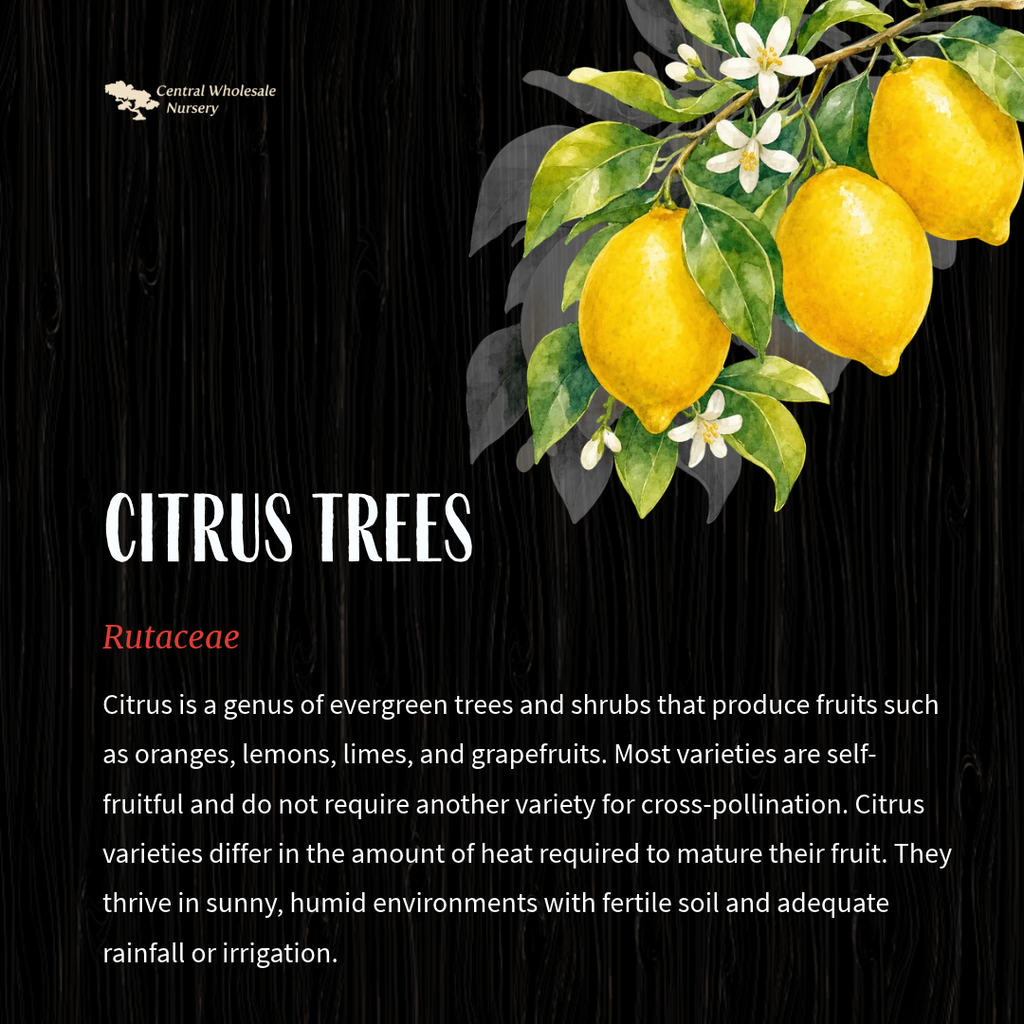
Citrus varieties like Meyer lemons, limes, and mandarins risk fruit and leaf injury between 28°F and 32°F. Provide a deep root soak 24 to 48 hours before a freeze, and drape frost cloth over a simple stake frame so the fabric never rests directly against outer fruit.
Can Bird of Paradise survive freezing temperatures?
Bird of Paradise (Strelitzia reginae) handles brief dips to 30°F, but prolonged cold below 28°F burns crowns and emerging flower spikes. Loosely bundle the upright leaf stalks with broad garden twine to protect the crown, then secure frost cloth over the canopy during freeze warnings.
How do you protect outdoor succulents from frost?
Soft succulents such as Aeonium, Echeveria, and Jade experience cellular collapse at 32°F. Move pots under solid roof eaves or covered verandas where home warmth buffers cold air and blocks heavy winter rains that accelerate root rot.
Master the Cold Season with Central Wholesale Nursery
Winter landscape care in the South Bay isn’t about fighting the elements—it’s about preparing your plants for predictable seasonal shifts.
Ready to pick up commercial frost cloth, organic mulch, or cold-hardy nursery stock adapted to local soil and weather? Visit Central Wholesale Nursery this week. Walk our outdoor yard, speak with our horticultural team, and get the exact materials you need to protect your landscape all winter long.