For many Bay Area gardeners, March is a month of observation. We watch the hillsides turn a vibrant, velvety green and wait for the first splashes of California Poppy and purple lupine to signal that spring has arrived.
There is a common misconception in the gardening world: that the time for planting wildflowers ends when the first winter rains hit in November. Most assume that if the seeds aren’t underground by New Year’s, the window for a spectacular spring display has slammed shut.
However, professional wildflower farmers and native plant enthusiasts know a secret: March is the “Golden Window” for direct-seeding.
While fall planting relies on unpredictable winter deluges, March seeding allows you to take advantage of warming soil temperatures and consistent spring showers. This timing offers maximum control over germination, leading to a dense, breathtaking carpet of color. If you want to transform a dusty patch of dirt into a thriving, buzzing ecosystem, the time to act is right now.
Timing is Everything: The Spring Wildflower Advantage
Why does March wildflower planting in California work so well? It comes down to the biological “sweet spot” of soil temperature and moisture.
- Avoid Seed Rot: In December and January, the ground is often too cold and saturated, which can lead to “damping off.”
- Rapid Growth: By March, the sun warms the top layer of soil just enough to trigger rapid germination.
- Establishment: The air remains cool enough that seedlings won’t dry out before they can establish a taproot.
In the San Jose and South Bay area specifically, timing is a delicate dance. If you plant too late into April, the rising heat of May can scorch tender young sprouts. By hitting the ground in early to mid-March, you ensure your meadow hits its peak bloom in late April and throughout May.
The Target List: Top 3 California Native Seeds
While many natives can be sown now, these three powerhouses thrive with a spring start:
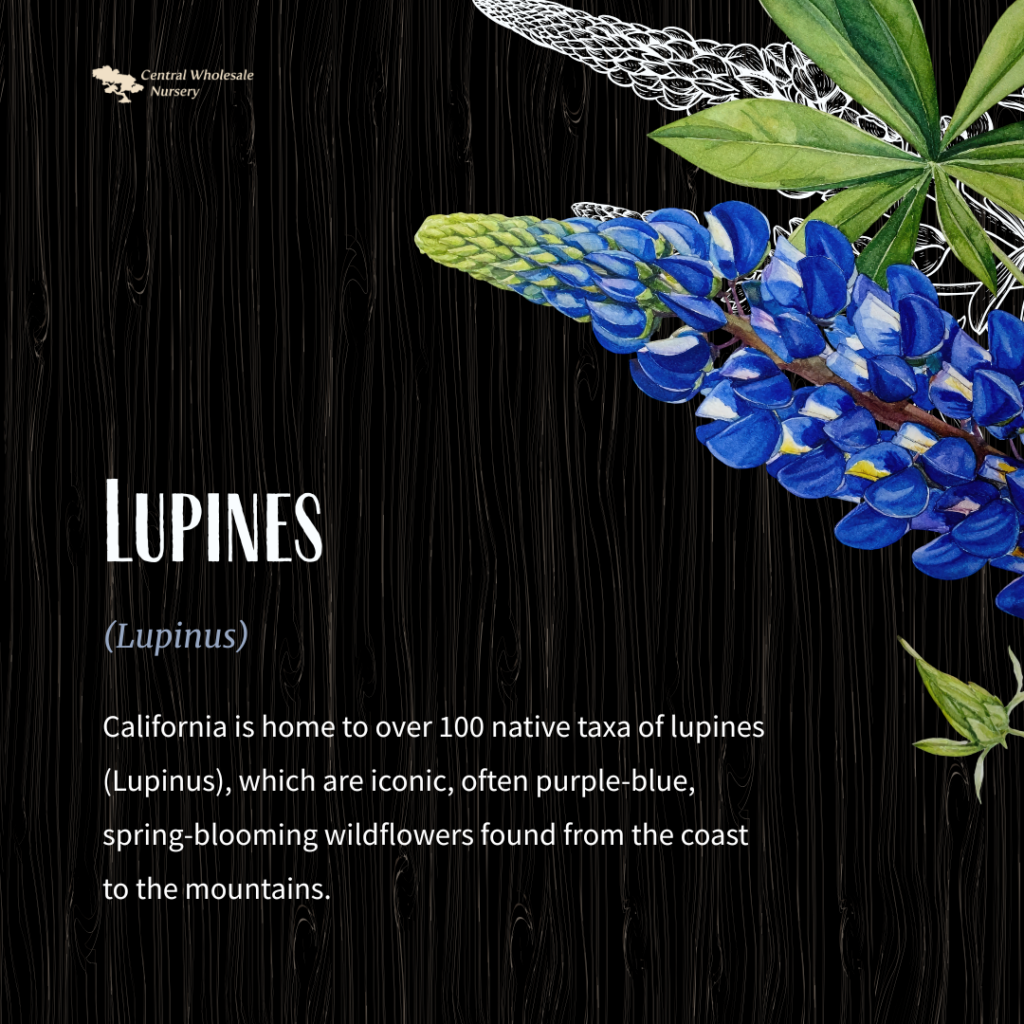
Lupines (Lupinus spp.): These add necessary vertical structure and architectural interest. Their deep purples provide the perfect contrast to the fiery orange of the poppies.
California Poppies (Eschscholzia californica): Our iconic state flower. These are resilient and develop quickly, making them perfect for later sowings.
Baby Blue Eyes (Nemophila menziesii): These provide a stunning, low-growing ground cover of “true blue” that reflects the spring sky.
Professional Prep: Doubling Germination Success
The biggest mistake amateur gardeners make is “throwing and going.” Successful wildflower seeding is 80% preparation and 20% planting. Without proper site prep, seeds are often eaten by birds or choked out by invasive grasses.
The Weed Battle
Wildflower seeds need direct contact with bare soil to germinate. For a larger native wildflower meadow installation, you may need to lightly till the top inch of soil or use a scuffle hoe to clear the area.
Pro-Tip: Do not enrich the soil. Most California natives have evolved to thrive in “poor,” well-draining soils. Adding heavy compost or high-nitrogen fertilizer will actually encourage weeds to grow faster than your wildflowers.
The Rake, Scatter, Tamp Method
To ensure high germination rates, follow this professional three-step process:
- Rake: Use a hard rake to loosen the top quarter-inch of soil until it looks like fine crumbs.
- Scatter: Mix your seeds with a carrier like horticultural sand (approx. 4 parts sand to 1 part seed). This ensures even distribution.
- Tamp: This is the most forgotten step. Seeds must be “snug” against the soil. Walk over the area or use a hand tamper to press them into the earth so they can soak up moisture.
Scaling the Native Dream: Long-Term Care
Once your seeds are in the ground, the first 2–3 weeks are critical. While we hope for March rains, California weather is fickle. If we hit a dry spell of more than three days, provide a gentle misting to keep the soil surface moist.
The beauty of a wildflower meadow is that it is a gift that keeps on giving. Most of these species are prolific self-seeders. If you allow the flowers to fade and the seed pods to dry naturally in the summer, your meadow will return year after year.
Ecosystem Benefits: Bees and Wildflower Honey
Beyond the aesthetic beauty, planting wildflowers is an act of environmental stewardship. A wildflower meadow is a vital “gas station” for pollinators like bees, butterflies, and moths.
Many gardeners are inspired to plant wildflowers because of their love for honey. There is often a question about the difference between wildflower honey vs. raw honey:
- Wildflower honey refers to the source of the nectar (a mix of local flowers).
- Raw honey refers to the processing (unfiltered and unpasteurized).
Raw wildflower honey is considered very healthy, containing antioxidants and traces of local pollen which may help with seasonal allergies.
Get Your Native Seeds Today
The window for a spectacular spring display is open, but it won’t stay open for long. By taking advantage of the unique conditions of March, you can ensure a lush, drought-tolerant landscape that supports local wildlife.
Visit Central Wholesale Nursery in San Jose today. Our team can help you select the best California native seed blends for your specific light and soil conditions.
We have been helping the South Bay grow sustainably since 1974.
Central Wholesale Nursery Locally Owned in San Jose Since 1974
📍 1670 McKinley Ave, San Jose, CA 95126