The April “Itch” vs. The Reality of 2026
It’s mid-April in San Jose. If you take a stroll through the Rose Garden or the tree-lined streets of Willow Glen, you’ll feel it—the unmistakable “April Itch.” The sun is finally holding its own, the citrus blossoms are heavy in the air, and every gardener in Santa Clara County is feeling the primal urge to head to the nearest nursery and fill their trunk with vibrant greens and neon petals.
But as we settle into the spring of 2026, the reality of gardening in the South Bay has shifted. In years past, that “itch” often led to a dangerous game known as “Zone-Pushing.” We’ve all been there: falling in love with a tropical Hibiscus or a delicate hydrangea at a big-box retailer, convincing ourselves that with enough fertilizer and a prayer, it will survive the San Jose summer.
The Trap of Zone-Pushing
In recent years, many local gardeners learned the hard way that forcing “thirsty” or “tender” exotics is a losing battle. Between the erratic late-April frosts that nip new growth and the brutal July heatwaves that turn delicate leaves to parchment, zone-pushing has become an expensive, exhausting hobby.
The 2026 Solution
This year, the trend has shifted from “making it grow” to “letting it thrive.” At Central Wholesale Nursery, we are seeing a massive movement toward Native Resilience. Choosing native plants in San Jose isn’t just a “green” choice; it’s your ultimate climate insurance. It’s about building a landscape that doesn’t just survive the “New Normal”—it owns it.
The Micro-Climate Checklist: Gardening for the “New Normal”
Beyond the Zip Code: San Jose’s Patchwork
One of the biggest mistakes a gardener can make is treating all of San Jose as a single climate zone. We know better. San Jose is a complex tapestry of microclimates.
- The Evergreen Foothills: You deal with cool morning fog and clay-heavy soils that hold moisture longer.
- Downtown & North San Jose: These are “heat sinks,” where asphalt and concrete radiate heat long after the sun goes down.
- Almaden Valley: You often face sharper temperature swings between day and night.
Your plants need to be “hyper-local.” A plant that thrives in the wind-protected valleys of Los Gatos might struggle in the sun-baked flats of Milpitas.
Why Native Resilience Wins
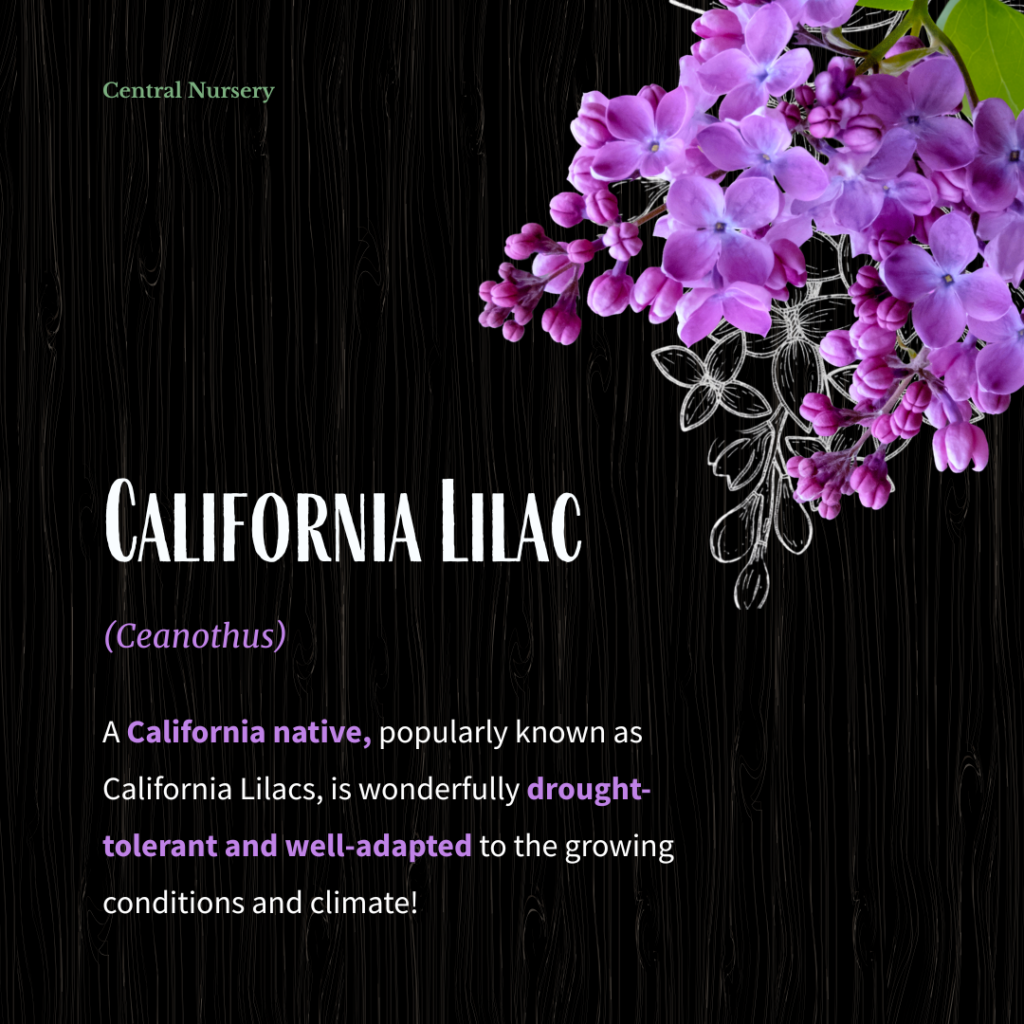
California natives are the Olympic athletes of the plant world. Species like Ceanothus (California Lilac) or Arctostaphylos (Manzanita) have spent thousands of years evolving right here in our backyard. They have developed “cellular memory” for our specific weather patterns.
While an exotic ornamental might panic and wilt during a sudden 90°F day in May, a Manzanita simply tucks its leaves to reduce surface area and waits it out. They are built for the erratic spring temperature swings and the bone-dry summers that define the Santa Clara Valley.
Drought-Tolerant, Not Just “Drought-Surviving”
In 2026, we are moving past the “rock and cactus” aesthetic of early drought-tolerant design. Resilience now looks lush. You can have a garden that looks like a Mediterranean paradise while using 70% less water than a traditional turf-and-tropical yard. Our native inventory is selected for its ability to provide year-round structure and deep green hues without the skyrocketing water bill.
The Wholesale Advantage for San Jose Contractors
If you are a landscape professional in the South Bay, you aren’t just selling plants—you’re selling your reputation. In a high-stakes market like San Jose, “call-backs” for dead or dying plants are the ultimate margin-killer.
1. Bulk Resilience
At Central Wholesale Nursery, we don’t carry “coddled” plants. Our stock is hardened off and acclimated to local conditions. When you buy native plants in San Jose from us, you’re getting specimens that won’t go into shock the moment they leave the greenhouse. We provide the volume needed for large-scale residential installs and commercial developments.
2. Architect-Ready Inventory
The regulatory landscape of 2026 is stricter than ever. Whether you’re working on a LEED-certified project in Cupertino or meeting the latest MWELO (Model Water Efficient Landscape Ordinance) requirements for a municipal project, we have the documentation and the species diversity to keep you compliant. Browse our current stock list at centralwholesalenurserysj.com.
3. Contractor Support & Competitive Bidding
Your clients are smarter now. They are asking for “Native Resilience” by name. We provide:
- Detailed Plant Data: Soil requirements, growth rates, and pollinator benefits.
- Volume Pricing: Tiered pricing that allows you to bid competitively on large South Bay estates.
- Delivery Logistics: We know the 101 and the 880 like the back of our hand—we get your plants to the job site on time.
Why Central Wholesale is Your “Climate Partner.”
Why choose us over the garden center down the street? It comes down to three pillars:
1. Rooted in San Jose
Unlike big-box retailers that ship plants in from distant states, our stock is acclimatized to the Santa Clara Valley. Our plants “speak the language” of our local soil and air. When you plant a Central Wholesale native, it feels like it’s coming home, not being dropped into a foreign land.
Our staff consists of plant nerds and industry veterans. We don’t just point you to the “Sun” or “Shade” section. We help you map your yard’s specific microclimates. We’ll tell you honestly if that Salvia you like will survive in your specific corner of the Rose Garden.
3. The “Native” Gallery
There is a misconception that natives are “scrubby.” We invite you to visit our yard and see for yourself. Experience the architectural beauty of a mature White Sage (Salvia apiana) or the stunning mahogany bark of a Pacific Mist Manzanita. Seeing these plants against the local sunlight makes all the difference in your design process.
Frequently Asked Questions (FAQ)
Absolutely! April is peak “showtime” for natives. Between the electric blues of California Lilac, the iconic orange of California Poppies, and the architectural pink clusters of the Western Redbud, your garden can be a riot of color that rivals any exotic species—all while providing a buffet for local pollinators.
Yes! While we are the primary hub for the pros, we believe every San Jose resident deserves access to professional-grade plants. We welcome home gardeners who want the same high-quality, resilient stock that top landscape architects use.
It’s the practice of trying to grow plants rated for a USDA zone warmer or wetter than yours. With the 2026 weather patterns being so unpredictable, zone-pushing is a high-risk gamble. We recommend sticking to “True Natives” who love the real San Jose climate.
While they are low-water once established, they aren’t “zero-maintenance.” They require “establishment watering” for their first one to two seasons to help their roots go deep. After that, occasional pruning and mulch management will keep them looking their best.
Plant for the Future, Not Just the Weekend
A beautiful garden shouldn’t be a source of anxiety. You shouldn’t have to check the weather app every hour, worrying if a sudden heat spike or a weird April frost is going to kill your investment.
By choosing Native Resilience, you are building a landscape that grows stronger with every passing season. You are creating a sanctuary that supports local birds and bees, saves you money on your San Jose Water bill, and—most importantly—thrives without the constant struggle of “zone-pushing.”
Ready to ditch the delicate exotics and embrace the strength of the South Bay? Come down to Central Wholesale Nursery this weekend. Walk our yard, talk to our experts, and find the native plants that will turn your garden into a 2026 success story.
Explore our inventory online at centralwholesalenurserysj.com
Central Wholesale Nursery—Where San Jose Gardens Grow Strong.