August is the ultimate transitional crucible for South Bay gardens. After consecutive weeks of dry heat and intense UV exposure, landscapes across San Jose and the broader Santa Clara Valley begin to show signs of fatigue. Soil moisture reserves are depleted, clay soils are prone to cracking, and ornamental varieties look spent.
It is easy to assume the active growing season is winding down, but in our Mediterranean climate, August is actually a launchpad. What you do right now determines whether your yard slips into a dusty dormancy or transitions into a spectacular autumn flush. Our mild fall weather offers a second spring, but realizing that potential requires maintaining structural continuity now. Consistent, targeted garden care during these late-summer weeks preserves plant health and secures a vibrant yard for the rest of the year.
Successfully navigating this late-summer stretch requires a dual-front approach: a high-impact structural maintenance routine to keep ornamentals green, combined with precise harvesting and planning techniques to maximize your homegrown food production. By executing a few key pivots, you can easily turn late-summer environmental stress into backyard abundance.
The Mid-Summer Garden Check-In: Day-by-Day Care for Lasting Greenery
Maintaining a healthy landscape through the peak of August does not require hours of daily labor. Instead, it relies on targeted, high-impact tasks that protect your established investments and prepare them for cooler weather.
The High-Impact Maintenance Checklist
- Deadheading Flowers for a Second Flush: Spend a few minutes each week cutting back spent blooms on hardy perennials like Salvia (‘Amistad’ or ‘Pozo Blue’), Echinacea (coneflower), and Achillea (yarrow). Removing faded flowers prevents the plant from expending precious energy on seed production. Instead, it redirects those resources to establish strong root systems and trigger a fresh round of blossoms as September temperatures cool.
- Irrigation Line Inspections: Extreme heat causes drip lines and micro-emitters to expand, contract, and occasionally split or pop off entirely. Walk your watering zones weekly while the system is running. Look for telltale signs of trouble: pooling water, saturated soil patches, or bone-dry areas near emitters. Ensuring your irrigation is distribution-efficient prevents both root rot from standing water and dehydration from clogged lines.
- Maintaining the Soil Blanket: A thick layer of mulch is your garden’s primary defense against surface evaporation and root scorching. Check your landscape to ensure you have a solid 3-inch layer of organic mulch intact. If the mulch has degraded or thinned out, top it off immediately. Shredded redwood bark or clean wood chips insulate fragile root zones from sudden late-summer heat spikes and preserve precious soil moisture.
Diagnosing Stress: Sunscald vs. Dehydration
It is common to see leaves dropping, yellowing, or crisping in August. However, misdiagnosing the root cause of this distress can lead to overwatering, which suffocates roots in warm soils.
Here is how to quickly differentiate between sunscald and true dehydration:
- Sunscald / UV Damage
- Visible Symptoms: Leaves become crispy exclusively on the margins, bleach out, or develop papery white and tan patches on the side facing the intense afternoon sun.
- The Root Cause: The soil may actually be wet, but the leaves cannot transpire fast enough to cope with the high-intensity light.
- Correction Strategy: Erect a temporary shade cloth over vulnerable or newly planted varieties during peak afternoon hours. Keep the soil evenly moist, but do not overwater in an attempt to cure the damaged leaves.
- Dehydration / Underwatering
- Visible Symptoms: The entire plant wilts uniformly, starting in the morning. The droopiness does not recover after the sun goes down or during the cooler evening hours.
- The Root Cause: The root zone is completely depleted of moisture, causing the plant to lose structural turgor pressure.
- Correction Strategy: Adjust your smart irrigation controllers for a longer, deeper run cycle to thoroughly saturate the full root zone. Water early in the morning to minimize evaporation loss.
Real Expert Diagnostic Support
When a prized specimen in your yard begins to struggle, guessing at the solution can lead to costly mistakes. If you notice unusual leaf spotting, systemic dieback, or pest activity, skip the online guesswork. Snap a few clear, high-resolution photos on your phone—make sure to get close-ups of the affected leaves as well as a wide shot showing the plant’s entire structure and its surrounding environment.
Bring those photos down to our San Jose center or [Contact] our expert diagnostic team online. We will analyze the symptoms, identify the specific pathogen or environmental stressor, and provide a direct, actionable treatment plan to save your investment.
Maximizing Your Homegrown Food Production
The Joy of Real Food
There is an unmatched satisfaction in harvesting fresh, nutrient-dense food directly from your own backyard. August is the peak season for home orchards and vegetable plots in the South Bay. However, getting the most out of your crops during these hot weeks requires precise harvesting techniques and strategic planning.
Late-Summer Orchard Mastery
If you grow fruit trees in San Jose, managing your late-summer harvest properly preserves both the quality of this year’s crop and the long-term health of your trees.
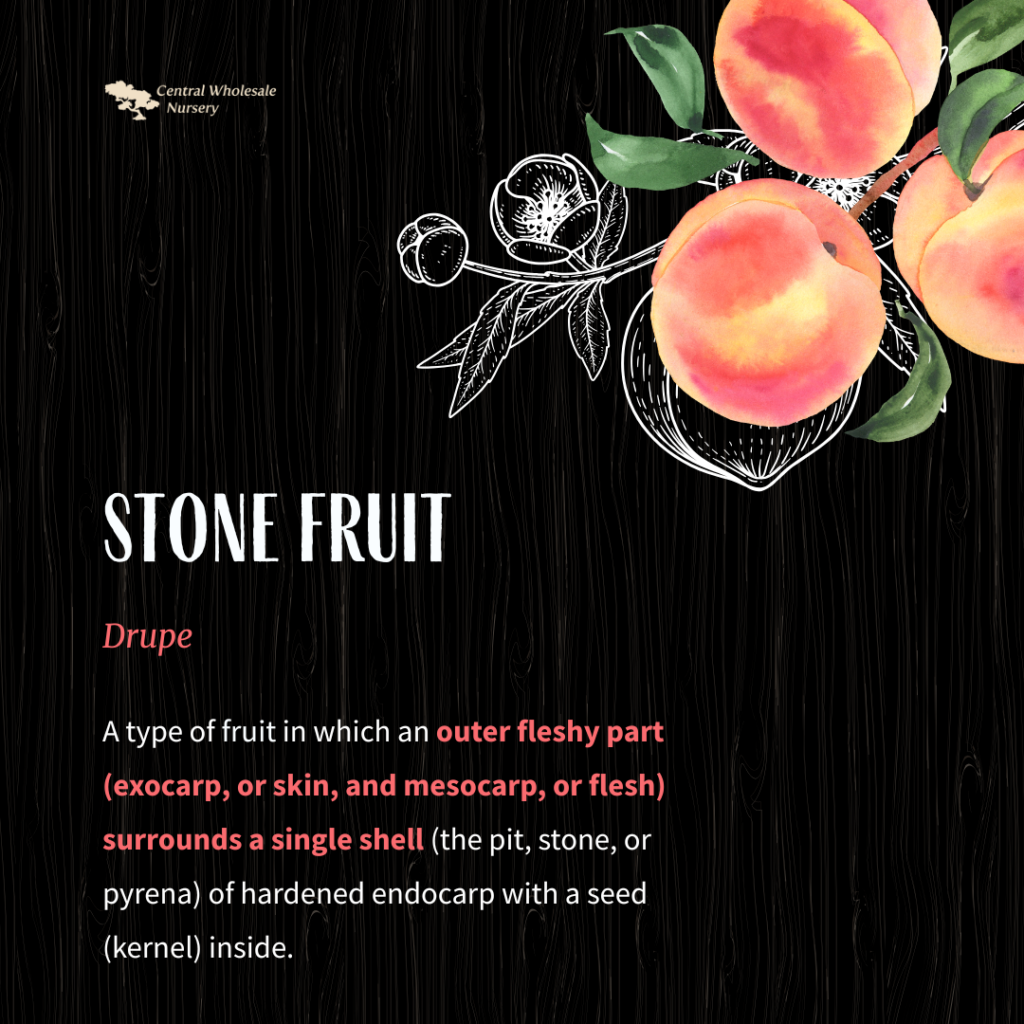
- Stone Fruits (Peaches, Plums, Nectarines): To harvest stone fruit without damaging the branches or bruising the crop, cradle the fruit gently in your palm, apply light pressure, and give it a soft, upward twist. If you have to pull hard or tug on the branch, the fruit is not fully ripe. For the best flavor and shelf life, harvest during the cool morning hours before the sun warms the fruit’s sugars and softens the flesh.
- Citrus Trees (Meyer Lemons, Bearss Limes, Oranges): Unlike stone fruits, citrus will not continue to ripen or sweeten once clipped from the tree. Taste-test a single fruit from the sunniest side of the canopy before harvesting the rest of the crop. Additionally, clear any fallen fruit from the ground beneath your trees immediately. Rotting fruit on the orchard floor attracts common pests like rodents, ants, and fungal pathogens that can migrate into your healthy canopy.
Garden Planning Tips for Beginners
If you want to start growing your own food but feel overwhelmed by the prospect of a large garden layout, start small. You do not need to tear up your entire lawn to enjoy homegrown produce. A single raised garden bed or a cluster of large, well-draining pots on a sunny patio provides an ideal, highly manageable environment to learn the basics.
When mapping out your space, keep these essential garden planning tips in mind:
- Position your growing area where it will receive at least six to eight hours of direct sunlight daily.
- Group plants with similar water requirements together to prevent overwatering some while underwatering others.
- Choose high-quality, organic potting mixes rather than native backyard clay to give young root systems the ideal balance of aeration and moisture retention.
Feeding for Growth in Warm Weather
For successful container and raised-bed food production, avoid harsh synthetic chemical fertilizers. In high-summer temperatures, synthetic salts can quickly build up in the soil and burn tender root systems.
Instead, feed your crops with high-quality, organic food-grade fertilizers rich in bone meal, kelp, and feather meal. These organic amendments release nutrients slowly as soil microbes break them down. This steady, natural nutrient release prevents sudden, weak vegetative growth spurts, encourages deep root development, and ensures your edible plants produce robust, flavorful yields safely.
Frequently Asked Questions
Yes, you can absolutely shop plants and introduce new varieties to your landscape in August. In fact, late summer is an excellent time to plant heat-loving California natives, warm-season herbs, or container-grown fruit trees, provided you commit to consistent watering. Newly installed plants require daily root-zone moisture checks for the first few weeks until their roots grow beyond the initial root ball and adapt to the surrounding native soil.
When daytime temperatures consistently exceed 90°F (and nighttime temperatures remain above 70°F), tomato pollen becomes sterile, causing the blossoms to dry up and drop off without setting fruit. This is a temporary, temperature-induced response. Keep your tomato vines well-watered and healthy. As soon as late-summer temperatures begin to soften, pollination will resume naturally, and you will see a fresh wave of fruit development.
To prevent root shock and ensure your plants can easily access nutrients, always water your soil thoroughly both before and after applying any fertilizer—even mild organic formulas. Watering beforehand prevents dry roots from absorbing concentrated nutrients too quickly, while watering afterward helps activate the soil’s microbial life to break down the organic matter and deliver it directly to the root zone.
Secure Your Early Fall Harvest
August does not have to be a month of dry, brown garden decline. By sticking to a simple maintenance routine, using targeted diagnostic support when plants show signs of stress, and mastering your late-season harvesting, you can keep your South Bay landscape lush, green, and highly productive right through the autumn transition.
If you are ready to maximize your late-season edible yields, refresh your mulch layers, or fill in a few dry gaps in your ornamental beds, stop by Central Wholesale Nursery this week. You can shop our wide selection of climate-resilient plants, pick up premium organic fertilizers, or speak directly with our regional diagnostic experts. Let’s make your outdoor space thrive.