Navigating the July Heat Peak
July brings the most intense heat of the year to Santa Clara County. From the exposed flatlands of downtown San Jose to the sun-baked foothills of Alum Rock and Evergreen, your landscape is currently undergoing a constant climate test. The morning marine layers burn off early, leaving behind long afternoon hours of unrelenting California sun. For homeowners and professional landscapers alike, this mid-summer stretch can feel like a game of survival.
The Dual Challenge
This is a month characterized by agricultural extremes. Your backyard orchard is working overtime, pumping sugars and water into heavy limbs to finish growing delicious, homegrown food. Simultaneously, your ornamental landscape is fighting a quiet battle just to stay green. The temptation is to crank up the irrigation valves, but doing so sends your municipal water bill skyrocketing and can actually suffocate soil root zones if not managed carefully. Balancing high-yield food production with resource conservation is the ultimate July tightrope walk.
The Solution Thesis
Peak summer success does not require an endless budget or 24/7 maintenance; it comes down to targeted, natural intervention. By providing structural stabilization to your heavy fruit trees and strategically grouping acclimated, water-wise plants in San Jose, you can protect your living investments, conserve precious resources, and enjoy a lush, high-yield yard all season long.
Protecting and Supporting Your San Jose Fruit Trees This Summer
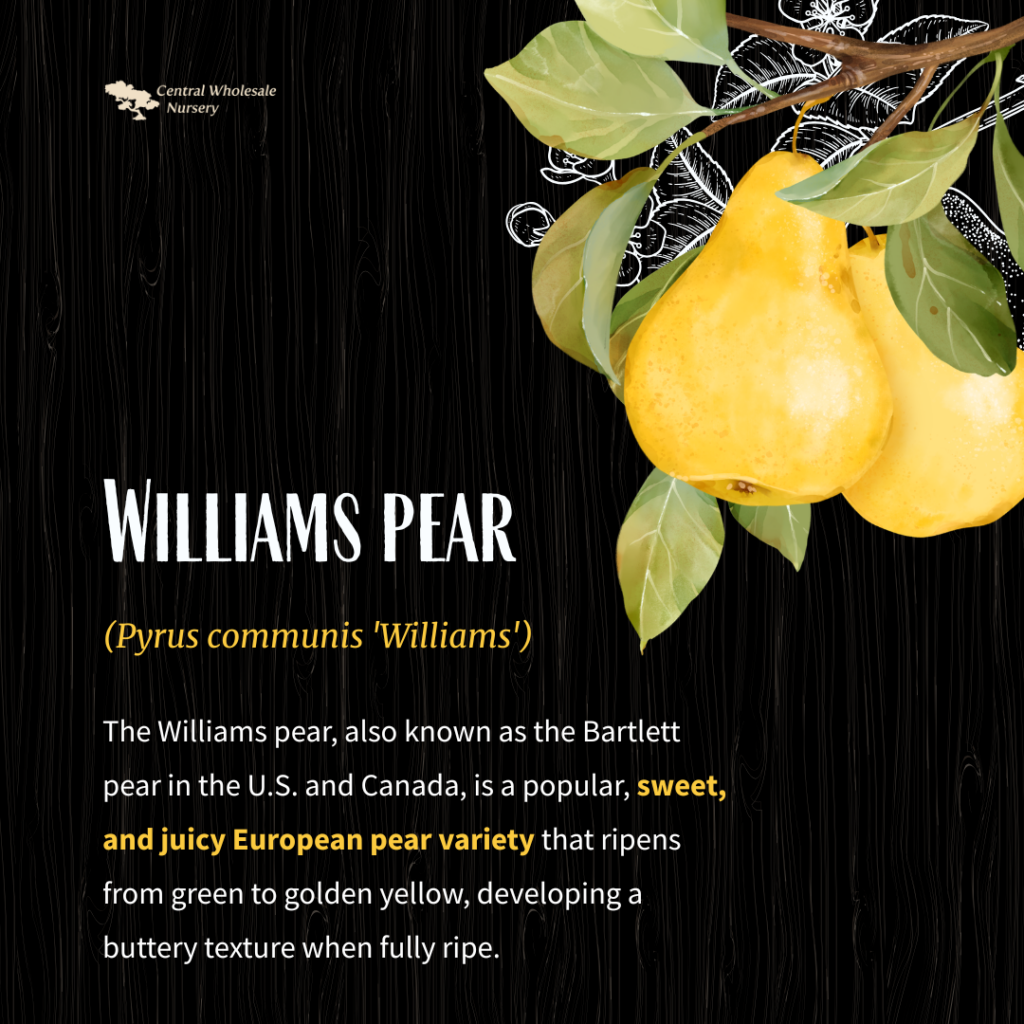
July is the grand finale for many stone fruits, while apples, pears, and citrus begin putting on rapid weight. It is a heartbreaking yet common sight in the South Bay: a mature, high-quality tree, nurtured for years, suddenly snapping a primary scaffold limb under the sheer weight of its own success. When fruit trees in San Jose produce a bumper crop, the leverage exerted on individual branches can exceed hundreds of pounds.
Deploying Structural Support
Do not wait for a branch to sag to the ground before you act. Proactive intervention is vital to save your canopy.
- Propping High-Load Limbs: Use heavy-duty wooden stakes or physical 2×4 notched supports to prop up fruit-heavy limbs from underneath. Position the notch securely under the sturdiest part of the sagging branch, wedging the base firmly into the ground.
- Safe Tying Methods: If you need to tie branches together for multi-directional stability, always use wide, flexible tree ties or canvas webbing. Never use thin wire, nylon rope, or zip-ties. These narrow materials cut through delicate bark under tension, girdling the limb and creating open wounds that invite natural diseases and wood-boring pests.
Specialized Hydration Profiles
To keep your orchard healthy without wasting water, you must differentiate your irrigation schedule based on tree maturity:
- Mature Orchards: Established fruit trees have deep, expansive root networks. They thrive on deep, infrequent watering. Run a slow drip system or a focused soaker hose for 2 to 3 hours once every 7 to 10 days. This slow saturation encourages deep root penetration below the evaporation zone.
- Newly Planted Starts: Young trees lack the root real estate to survive long dry spells. They require more frequent attention. Water young starts 2 to 3 times a week right at the base of the trunk, ensuring their developing root balls do not bake in the shallow, compacted clay soils typical of our region.
Orchard Health Check
Make it a habit to walk your orchard daily. Harvest ripe food immediately to relieve physical weight from the branches. For natural pest control, install sticky barrier bands around the lower trunk. This stops crawling insects, particularly invasive ants, from climbing into the canopy to farm aphids on your ripening fruit.
Designing a Low-Water Oasis: Top Drought-Tolerant Selections
Creating a gorgeous, green yard does not mean you have to succumb to high utility bills or a dry, uninviting landscape. By choosing to shop for plants that are naturally adapted to arid conditions, you can build a stunning natural sanctuary. Incorporating water-wise plants in San Jose allows you to cooperate with our Mediterranean climate rather than fighting against it.
Premium Nursery Selections
When you come down to look through the extensive inventory at our wholesale yard, look for these summer-ready stars that shrug off the July heatwaves:
- Architectural Succulents: Agave americana (Century Plant) and various Yucca varieties add massive visual scale, clean lines, and dramatic silhouettes to your hardscaping. Once established, they require virtually zero summer irrigation to maintain their structural beauty.
- Vibrant Sun Perennials: Yarrow (Achillea) and Russian Sage (Salvia yangii) are exceptional options for continuous color. They bloom reliably through the hottest July days, creating a colorful, low-water haven that attracts local pollinators like honeybees and swallowtail butterflies.
- Drought-Tolerant Shade Plants: Do not assume your covered areas or north-facing walls are stuck with thirsty ferns. Species like Carpenteria californica (Bush Anemone) offer beautiful, crisp white summer blooms even when tucked away into dry, shaded hot points beneath eaves or mature oak canopies.
Design for the Sun: Mapping Your Yard’s Hot Points
East-facing areas experience the softer morning sun followed by welcome afternoon relief. Because the ground gets a break during the hottest parts of the day, the soil stays slightly cooler and holds onto moisture longer. These spots are perfect for native flowering shrubs, Heuchera (Coral Bells), and young fruit starts that need a gentler environment to settle in.
Evaluating West-Facing Zones
West-facing zones bear the brunt of the intense, radiating afternoon heat. The soil dries out rapidly here, and plants must withstand high ambient UV exposure. To build a successful landscape along these boundaries, rely heavily on structural succulents, drought-tolerant Salvia varieties, and established Mediterranean herbs like Rosemary and Lavender that thrive in the sun.
Maximizing Growth
Before you stick a shovel in the ground, map out your yard’s specific sun orientation. Placing thin-leafed, moisture-loving varieties in a West-facing hot spot leads to irreversible leaf scorch and root dieback within days. Conversely, putting heat-loving, sun-baked succulents in low-light, damp areas stunts their natural growth and triggers root rot. Matching the right plant to its corresponding micro-climate zone ensures a self-sustaining ecosystem.
The Central Wholesale Advantage
Why do the plants from our wholesale yard survive the intense July transition so much better than standard big-box store stock? It comes down to regional acclimation. Big-box retailers often ship inventory from climate-controlled, out-of-state greenhouses.
Our inventory is grown and acclimated right here in the Bay Area environment. They are already fully adapted to the local air, our unique clay-loam soil profiles, and the specific sun intensity of the Santa Clara Valley. When you plant our stock, there is no shock period—just real, resilient growth.
Frequently Asked Questions (FAQ)
No. Avoid applying heavy nitrogen fertilizers during peak summer heatwaves. Forcing a tree to produce rapid, tender new leaf growth when the sun is this intense stresses the vascular system and draws in sap-sucking pests like thrips and aphids. Focus entirely on consistent watering and structural support right now; save the feeding for late winter and early spring.
Young, newly planted trees or varieties with naturally thin bark (like cherries and plums) can experience severe sunscald on their trunks when exposed to southwestern afternoon sun. To protect them, apply a 50/50 mixture of white interior latex paint and water directly to the trunk, from the soil line up to the first main branch forks. This acts as a highly effective, non-toxic sunscreen.
Don’t feel pressured to rip out your entire landscape all at once. Instead, pick one specific problem area—such as a baking, West-facing fence line or a patchy lawn strip—and replace it with a tight grouping of native shrubs and succulents. Grouping plants with identical water requirements together is a practice known as hydrozoning, and it makes managing your automated irrigation system incredibly simple.
Master the Mid-Summer Elements
July gardening in the South Bay isn’t about working harder or spending hours under the scorching sun; it is about working smarter. By propping up your heavy, high-yielding branches and strategically arranging water-wise varieties based on your property’s unique sun exposure, you protect your hard work. The result is a high-quality harvest, a significantly lower water footprint, and a sustainable landscape that turns heads all summer long.
Ready to safeguard your backyard orchard or overhaul a sun-baked section of your lawn? Visit Central Wholesale Nursery this weekend. Walk our expansive outdoor yard, consult face-to-face with our local horticulturists, and find the wholesale-quality, climate-hardy stock your home deserves. Let’s grow a more resilient South Bay together.